

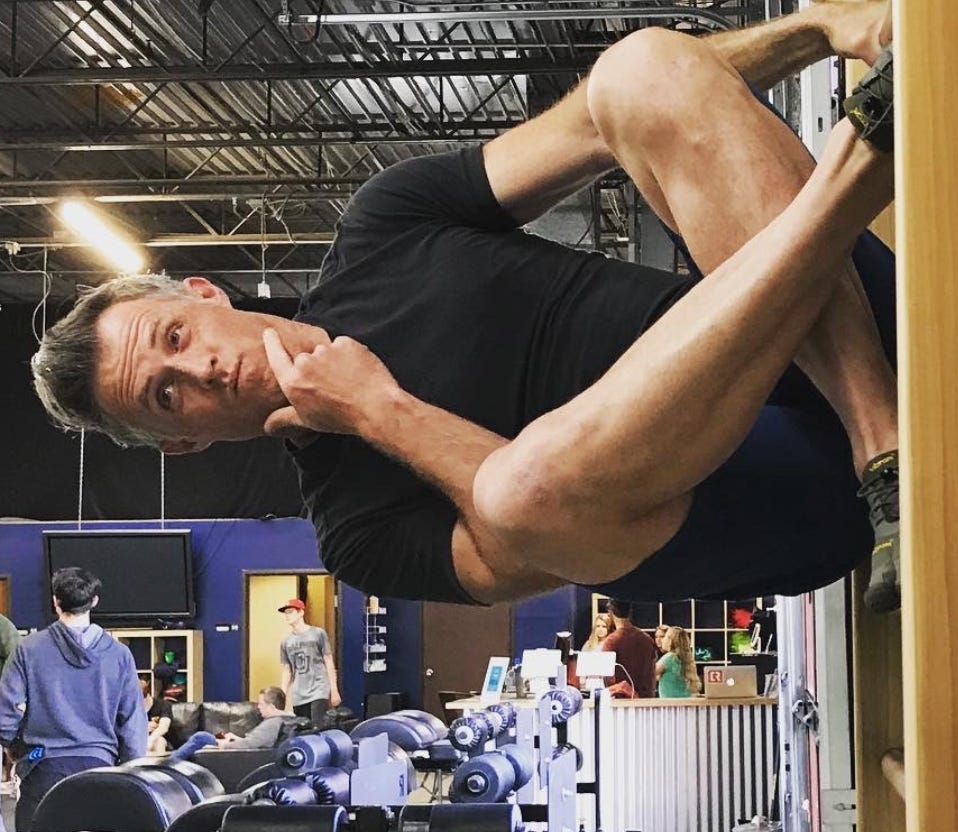
I launched my new course for athletes looking to “unlearn” chronic pain last week. It’s been a labor of love to create an immersive and experiential 12-week journey that will eliminate pain while simultaneously freeing you up to perform your best next season. But this course goes beyond running faster, getting back on skis or the bike, and playing better tennis or golf. You can read more about it here:
To kick off the launch of this course, and encourage you to consider your pain from a new perspective, I’d like to share 3 important insights that may surprise you about athletes and pain:
Every December, when I look at my new client data from the prior year, consistently 8-9/10 athletes I evaluated that year had very real pain (or other symptoms) but nothing wrong with their body. How can I tell, you ask? Well, it’s crystal clear from the evidence. There was no obvious injury when the pain started, pain has often been present greater than 3 months…beyond what we’d consider a normal healing time, symptoms behave strangely and unlike what we see in athletes who have structural problems, there is no clear objective pattern when I evaluate the body, and there was often significant life stress that paralleled the onset of symptoms. But despite this lack of evidence for a body problem, nearly every athlete seeks out a body-oriented solution seeing a traditional PT, chiropractor, orthopedist, or other sports medicine clinician to “fix” the problem. Statistics indicate that 1 in 4 athletes live with chronic pain unnecessarily. We know the athlete’s brain has a pain-over-emotion bias. Almost universally, athletes use physical pain (consciously and unconsciously) to reduce their emotional pain and anxiety. As an athlete, once you understand that pain does not mean damage, the solution is a simple matter of reconceptualizing WHY the pain is there, WHAT it means, and HOW to treat it differently.
While it can be helpful to treat the adaptive change and de-conditioning that is a RESULT of pain and NOT being active, the long-term solution for pain in athletes paradoxically has nothing to do with the body. Manipulating joints, needling muscles, release fascia, foam rolling, stretching, strengthening, core stability, and prescriptive exercises offer only temporary relief, if those modalities lead to any meaningful change. If they work it’s because they reduce fear, offer a sense of control, and act on placebo. While placebo is a real effect, these interventions fail to address the underlying causes of pain (see #3 below). To effectively unlearn pain, athletes need knowledge toward a modern understanding of pain science. This allows for a confident shift in belief and mindset away from the “body is vulnerable” fear that universally results from pain. Athletes then need a green light to stop resting and to start moving and getting back in their bodies. Essentially to act normally and start moving again as though they’re ok (because physically they are), despite pain. A thoughtful return to exercise with some new skills shows the nervous system that movement is safe and reduces the brain’s prediction of danger (the most direct correlate of pain). Next, athletes benefit from developing a new relationship with pain though more conscious awareness, leading to a superpower of sorts. One that offers better performance on and off the playing field/race course. This new awareness then leads to meaning-making from symptoms and naturally connects to the wisdom of one’s emotions, a new understanding of one’s personality traits, insight into the role and value of sports in one’s life, and clarity about how to move forward in the future grounded and aligned with one’s values.
Pain is a barometer for what’s going on in our lives. It’s designed to protect us from something that feels dangerous. Many athletes logically assume it’s the body that’s in physical danger, attributing pain to overtraining, asymmetry, age, wear and tear, and biomechanics. Instead, physical pain is merely a distraction from the REAL danger: the pressure we’re putting on ourselves, the act of “plowing through” life trying to get it all in, the feeling we’re not supported or loved unconditionally, some lack of control in our lives, uncomfortable life change, or some violation of our boundaries. The emotion this creates is so uncomfortable that athletes (and people in general) tend to subvert and bury their feelings resulting in the brain choosing pain as an alternative mode of expression. Sometimes pain forces us to put sport away to attend to other things that need energy. Sometimes the brain doesn’t like that sport has become our only strategy to manage our emotions. Sometimes pain is a cue that we’re not having fun or doing sports for the right reason and need a change. Sometimes pain is a request to check our relationship with sport based on how it relates to our identity. There are endless reasons the brain uses pain to alert us that something isn’t working in our lives. Unlearning pain is simple, but every athlete needs a different recipe to get there. The process leads to less pain in the short term. But more importantly, athletes develop a new relationship with pain, and with themselves in the process. One they carry forward into their personal and sporting lives. Think of taking off a heavy backpack you’ve been carrying with the burden of living with things that subconsciously aren’t working for you. You’ll enjoy less pain and quickly perform better without that extra load! But more importantly, the growth benefits of this course promise to extend beyond performance to every aspect of, and to everyone in your life.

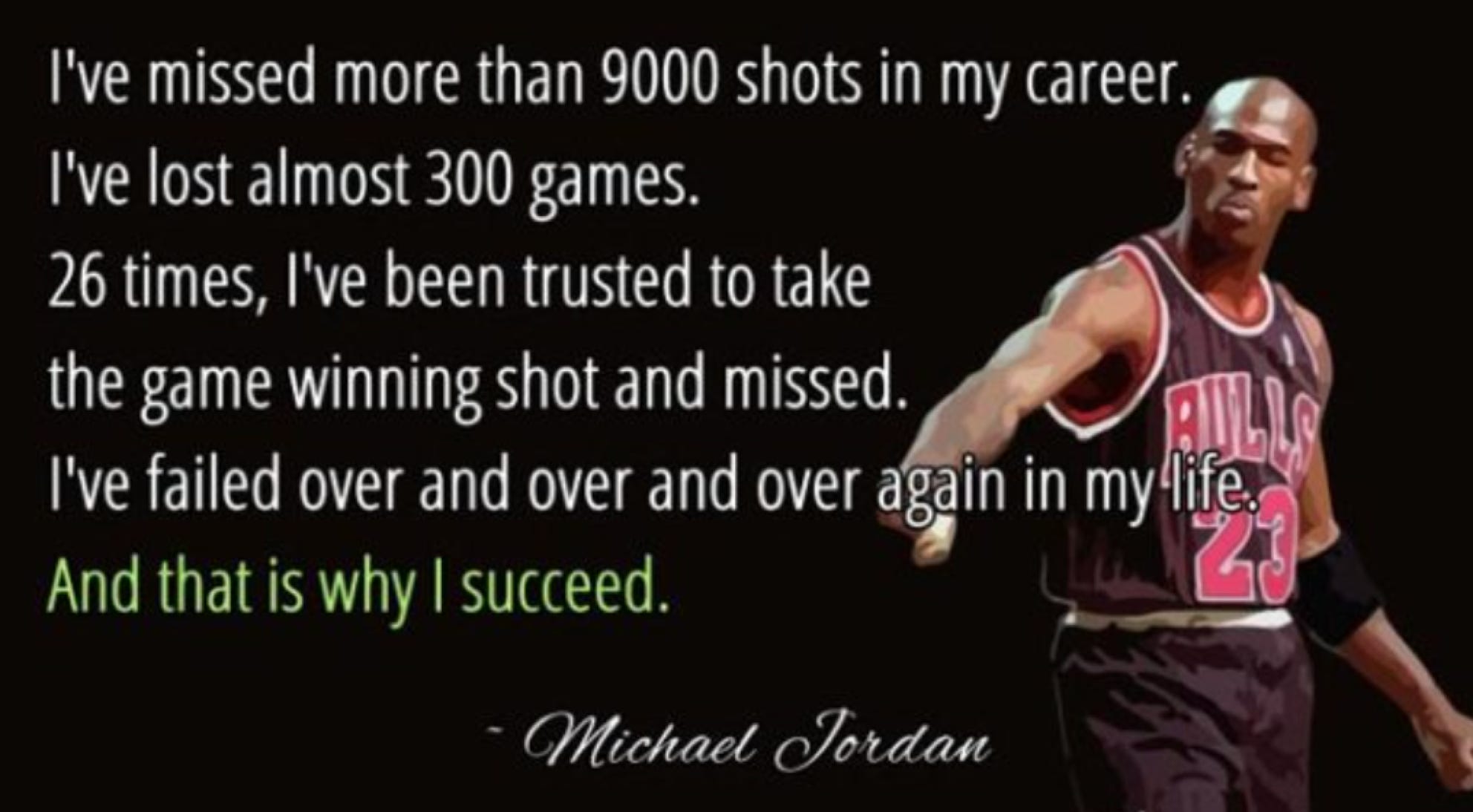
Finally, I’d like to leave you with a question. Please share your reflections in the comments or message me directly. Answering this question is an essential part of my new course:
What is your ideal vision of your future as an athlete and as a person, and are you living that vision now?
Schedule a 20-minute free discovery call with me to learn more about the course.
Please reach out to me directly with questions:
Charlie Merrill - charlie@Mperformance.com - 303.717.8351