


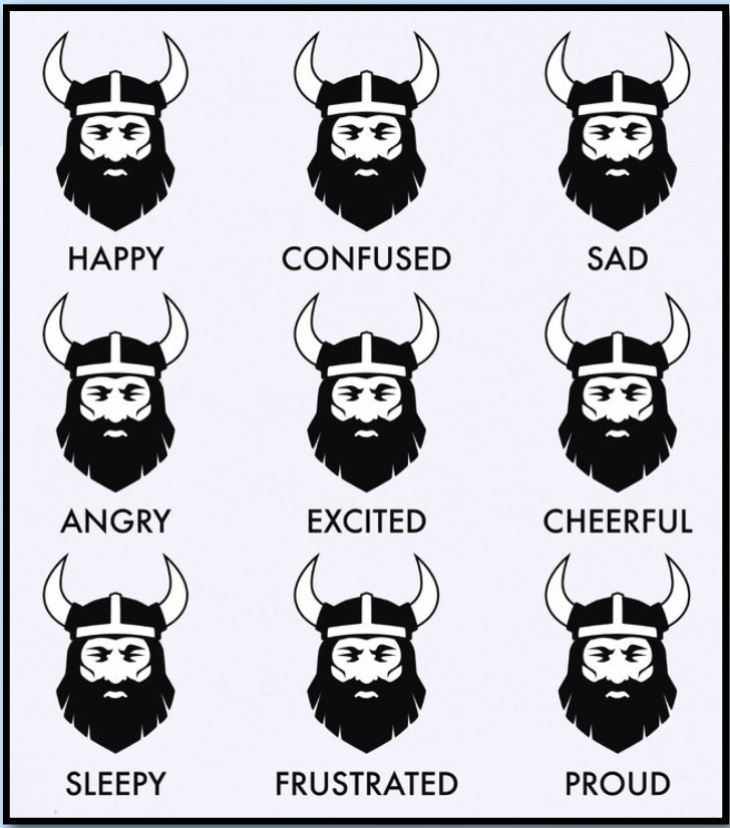
Around the time I turned 40, I woke up. I, like many around this time, awoke to the fact that I’d been living on autopilot. Doing all the “things” we do as we move through our 20s and through our 30s, but often without a clear awareness of why. Carl Jung viewed the first half of life as a period of ego development, focused outward on building identity, career, relationships, achievement, and social standing, essentially preparing for some uncertain future. He wrote that the first half of life is about external achievement, acquiring possessions, and adapting to the world, forming a strong “false self” or ego structure. Then, Jung said, the second half involves turning inward for individuation, reconnecting with “true self”, and finding deeper meaning and purpose. I’ve heard others say the first half of life is about discovering there’s a book to write, while the second half is about writing the book. As I tell my clients who struggle with physical and/or existential pain at this phase of life, “you’re right where you’re meant to be”. I was right on time to start moving out of stoic Viking athlete mode.
As I began to take stock of how I arrived at this point, it became clear that many of my thoughts, behaviors, and feelings were automatic and habitual. A result of early conditioning. A byproduct of the reality that we all adapt by subverting parts of our true selves to navigate early life. We turn some parts of ourselves up, others down, and still others are cast out as absolutely not helpful. While we’re born with certain personality traits, those most associated with survival and safety become stronger and more dominant. We become athletes to get praise from important adults. We become conscientious students to avoid consequences. We become people pleasers to avoid conflict. And many of us learn to bury our emotions to avoid hurting relationships, steadily learning that feelings aren’t welcome or safe. I became people-pleasing, conscientious, caretaking of others (often at my own expense), achieving, perfectionistic, and quite hard on myself. Behaviors that actually lead to great success in life. But at times, this comes at the cost of feeling disconnected from our true nature.
Some call this awakening, a new awareness of one’s early conditioning, a midlife crisis; I called it a midlife opportunity. I made massive changes in my life. Started my own business, separated from my 20-year relationship with my then-wife and mother of my 2 amazing kids, stopped racing bikes (physically competing at all), ended friendships that needed ending, and shed parts of me that were no longer serving. I started taking stock of my personality traits to see how, while they were all important and valuable, they were overbearing and needed to be toned down. And I did all of this with a newfound clarity, accompanied by a potent mix of fear, uncertainty, relief, and liberation.
My therapist at the time was instrumental in supporting me through this massive shift. At one point, he wanted me to express anger toward my partner. I resisted saying something like “I just don’t see the value in doing that at this point, the relationship is no longer viable, and I want to have a mature and respectful ending”. I’d never developed a healthy relationship with anger. I had a lot of it inside of me, but didn’t recognize it and wanted to avoid hurting myself or others. It wasn’t welcome in my family, and I saw firsthand how its public expression wasn’t attractive or helpful. So I held it in. But anger doesn’t go away. It hurts us from the inside out and inevitably comes out sideways when we try to bury it. I was hurting. It was hurting those around me, too, and I knew it was time for a change. Little did I know, a few years later I’d be supporting others in doing the same.
Uncle Hank and Luanne on emotions. Credit: “King Of The Hill”
About this time, the term “emotional intelligence” swept into my consciousness. I was in a new relationship and was starting to recognize that, if anything was going to be different this time, MY relationship with emotions needed some attention. I owed it to myself, as well as everyone in my life, to gain some skills around the nature of human emotion. This mission perfectly paralleled the shift in my career as I recognized how modern pain neuroscience was transforming how we treat pain and injury. Turns out, pain is essentially an expression of emotion, be it fear, anger, sadness, grief, or uncertainty. This is one reason why we call them “feelings”. Because we literally feel our emotions in our bodies. Try it for yourself. The next time something emotional or stressful happens, take a second to notice where you “feel” it in your body.
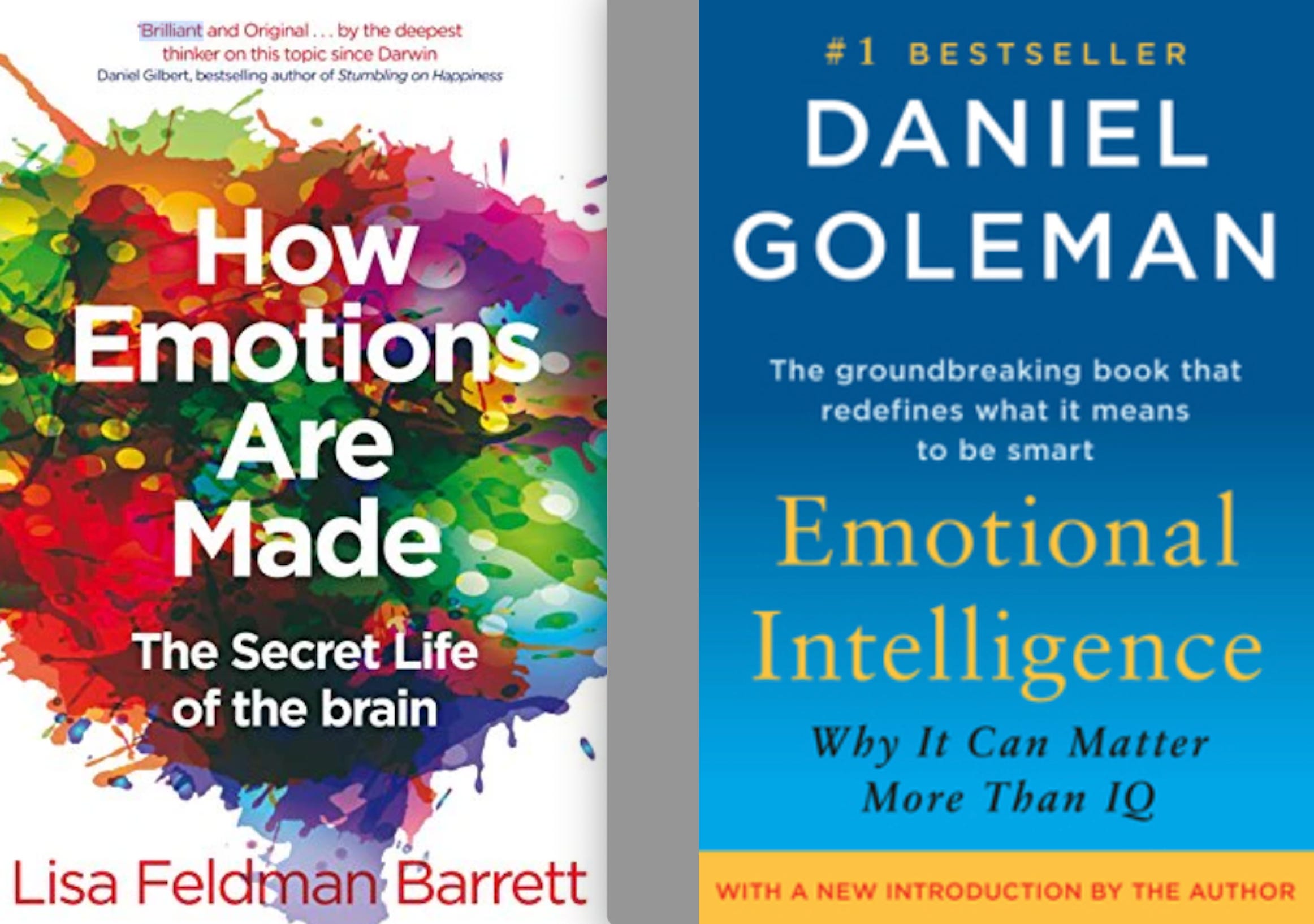
I devoured academic books like “How Emotions Are Made” by Lisa Feldman Barrett and “Emotional Intelligence” by Daniel Goleman. I was fortunate to connect with mentors, including Alan Gordon and Dr Howard Schubiner, who were doing research and developing clinical strategies to support chronic symptom recovery by working with fear and other emotions. And my now wife, who is a clinical psychologist, was a big advocate and supported me on this path for many reasons, professional, personal, and existential. Of course, “knowing is not doing”, and I’m still very much a work in progress. But I’m consistently blown away by how important emotions are in my life today when I make space for them.
The reality is that most of us grew up without much emotional support. While our parents were doing the best they could, healthy emotional skills weren’t modeled for them, and in turn, they were rarely modeled for us. Even if our parents “loved” us and were physically present, healthy emotionality may not have been on the menu. We either learned that emotions weren’t welcome or were actually unhelpful and so should be buried. Or we saw emotions expressed openly in unhelpful and even destructive ways. Again, unhelpful. Or both! Regardless, this encumbered version of emotional processing and expression became the “conditioning” we carried forward into our careers, our relationships, our sports, and our lives.
Before this gets too long, what I want YOU to know is that your emotions matter. There are no good or bad emotions. They are diverse, varied, and meaningful. All emotions belong. Feelings ARE NOT dangerous, despite what we’ve been taught. While we don’t want our feelings driving, we also don’t want them in the trunk. Emotions we don’t understand don’t always guide us in the best direction, which can lead to challenging thoughts, feelings, behaviors, and outcomes. So the goal is to develop a healthy relationship with feelings to find a balance where we can welcome them and allow them to inform our lives, connecting us with our deep knowing. To allow them to flow through us and “feel” them in our bodies without judgment, stories, or resistance. This is what will enable them to pass quickly and, in turn, liberate us into an incredible sense of agency, intuition, freedom, and joy.
Many of us worry that if we get angry, we’ll stay angry. We’ll get hurt or hurt someone else. That once we open Pandora’s box, we won’t be able to control what happens next. But when you know how to work with emotions to express and release them privately and with skillful direction, emotions universally transform into information that points us toward growth in our lives. While I would never judge anyone’s life decisions based on their emotions as right or wrong, the more you understand your feelings, the more you’ll make decisions that are aligned with your values and your true self.
Since my experience with my therapist, anger is my favorite emotion to work with because it’s the most intense, powerful, and protective emotion. Much like pain, it’s meant to set boundaries and keep us safe. As such, anger is often the emotion most connected to the experience of pain. In fact, a lot of pain starts during stressful life events where anger is present. I’ll often ask people to list stressful or painful life events that are still remembered and associated with a strong sense of anger. These memories frequently connect to the onset and/or persistence of symptoms. They stay salient not because of what happened, but rather because of how they’re remembered. That anger couldn’t be fully expressed and so got stuck in the body as potential energy, remaining dormant. Even if we’re not aware that we’re angry, the nervous system can still react subconsciously, expressing those feelings as physical sensations like pain.
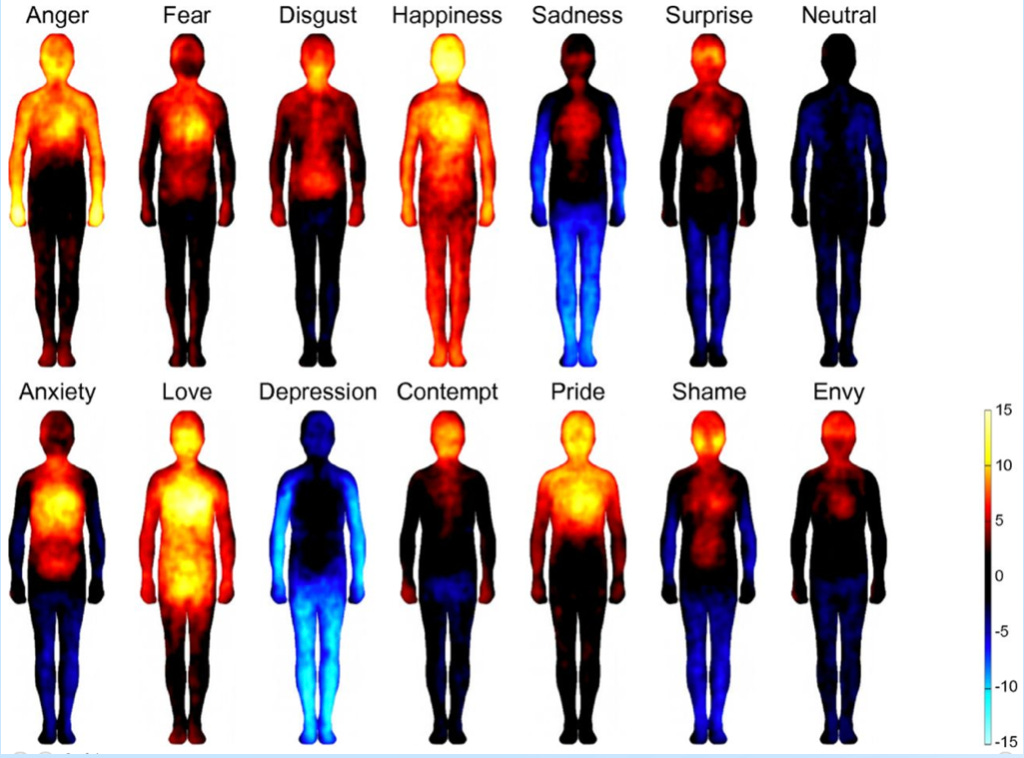
Nummenmaa et al 2014 - Crowd sourced body maps of somatic emotional representation
So my goal as a clinician is to share the skill of working through anger in healthy ways. To express and release it. In doing so, we’re able to connect with and express other related emotions like sadness, guilt, and grief. This leads to forgiveness and compassion, as well as lessons learned and a new clarity about how to proceed. Once you learn how to do this privately and direct it toward the memory that created those emotions, you’ll see how liberating and effective the experience can be. You’ll feel lighter and more relaxed with less tension in your body. Then you can carry the skill forward into other life stresses and challenging experiences as they arise in real time. You can do this to keep emotions from needing to come out through your body as pain or other symptoms. Here’s a recent example of how I did this after a tough interaction at the grocery store.
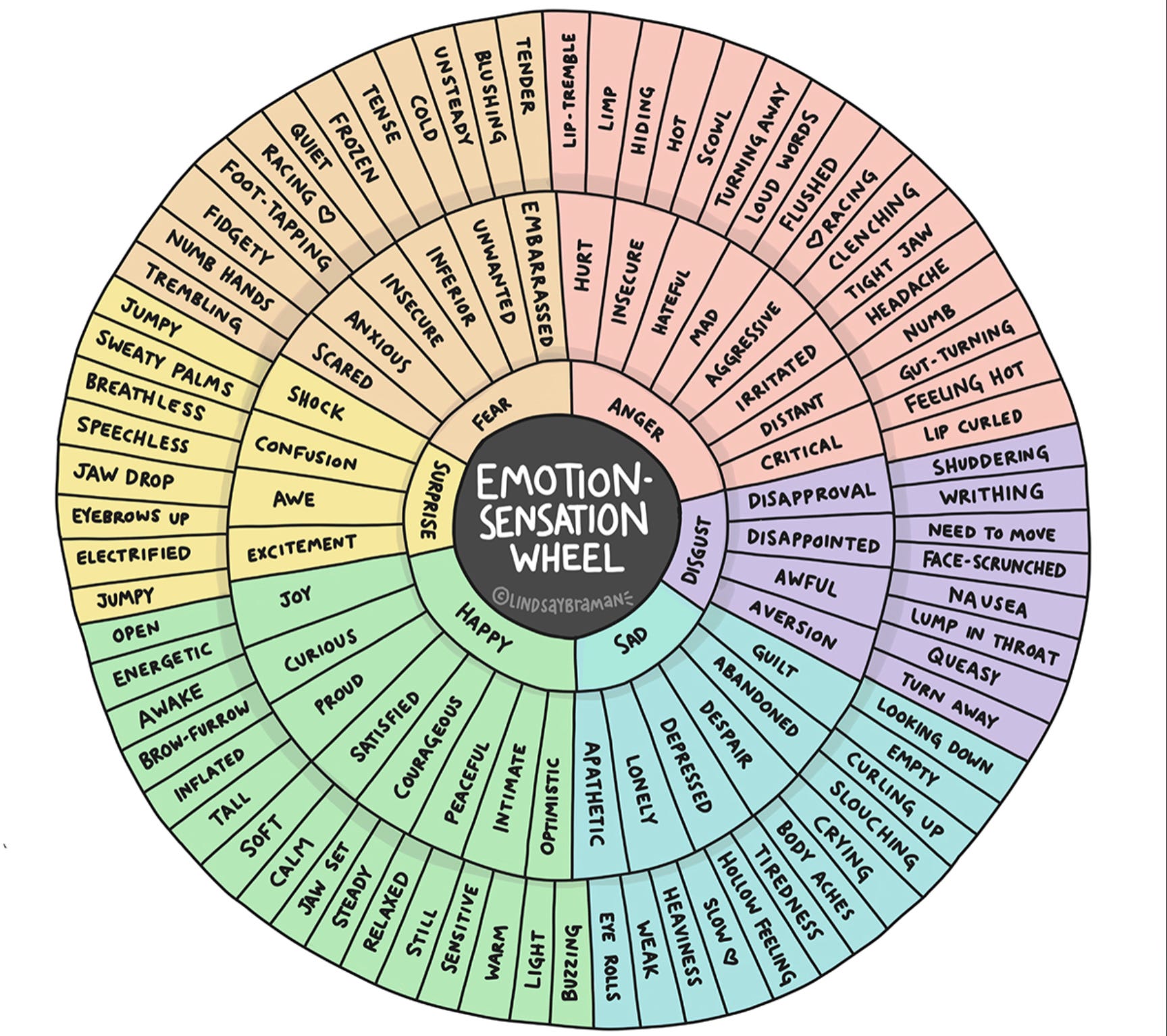
Because of my experience through my midlife “opportunity” and as a mind/body clinician, I’m a fierce advocate for people learning to understand and master their emotions. I don’t believe feelings should be gate-kept, where only a therapist can help you, because we all have feelings and they’re happening all the time. It’s our right and our responsibility to own and master our emotions. Now, of course, there will be times when you feel overwhelmed, and you need some support. But the more you understand and have strategies to navigate feelings, the more you’ll be autonomous in your life. And, the more effective therapy will be. One of the most basic and essential skills you can develop with your emotions is to welcome them, allow them, label them, name them, and then notice where you feel them in your body. Simply allowing whatever is happening to happen until it passes. While this is simple, it is not easy. It also requires what I call an “emotional vocabulary”. Print this and keep it handy during your day to see how varied your emotions are, how often they change, and how they affect the way your body feels.
As you start developing this new skill, I’d like to offer you a recent recording of a “Time Traveler” exercise, where I guide you through a visualization to go back and change a hard memory. To ALLOW the big emotions that never got to be fully expressed at the time. To finish expressing those stuck feelings, so you can let them go. To learn something in the process. And because we can’t change what happened, to have the memory of the event without the conscious or subconscious emotion that drives unhelpful thoughts, feelings, and behaviors. Including pain. We can’t change the past, but we can change our memory of the past. Rather than remembering feeling fearful or powerless, the goal is to script a new memory where you have agency. Where you’re powerful and in control. Think of it like a time machine where you can go back and support your younger self in righting a wrong, saying and doing what was needed, meeting your own needs, and in doing so caring for yourself.